Posted on 4/28/2026

As Memorial Day approaches, many families and friends are gearing up for road trips to kick off the summer season. Whether you're heading to the beach, mountains, or visiting loved ones, packing strategically can make all the difference in ensuring a smooth and enjoyable journey. To help you prepare for your upcoming adventure, we've compiled a comprehensive packing list of essentials for your Memorial Day road trip. Emergency Supplies: First aid kit Flashlight and extra batteries Jumper cables Tire pressure gauge Reflective triangles or flares Basic tools (screwdriver, wrench, pliers) Vehicle Maintenance Items: Spare tire and jack Tire iron Extra motor oil and coolant Windshield wiper fluid Portable air compressor Owner's manual and vehicle documentation Comfort and Convenience: Pillows and blankets Portable cooler or insulated bag Snacks and drinks Travel-sized toiletries Hand sanitizer a ... read more
Posted on 3/27/2026
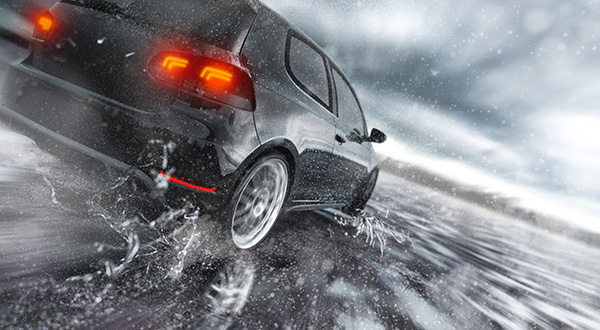
Rain changes the way a car feels faster than almost anything else. A vehicle that seems perfectly fine on dry pavement can suddenly feel loose, nervous, or harder to trust once the road gets wet. That gets blamed solely on the weather, but in many cases, the car is already telling you something about its condition. Sometimes new tires will help a lot. Sometimes they are only part of the answer. Why Rain Changes The Way A Car Feels Wet roads reduce traction, plain and simple. The tires have less grip to work with, braking distances get longer, and any weakness in the steering or suspension becomes much easier to feel. What seemed like a small issue in dry weather can become a much bigger confidence problem in the rain. That is why a car can feel unstable only when the pavement is wet. The road is asking more from the tires, alignment, shocks, and steering than it does on a clear day. If one part of that system is already slipping, rain exposes it q ... read more
Posted on 2/27/2026
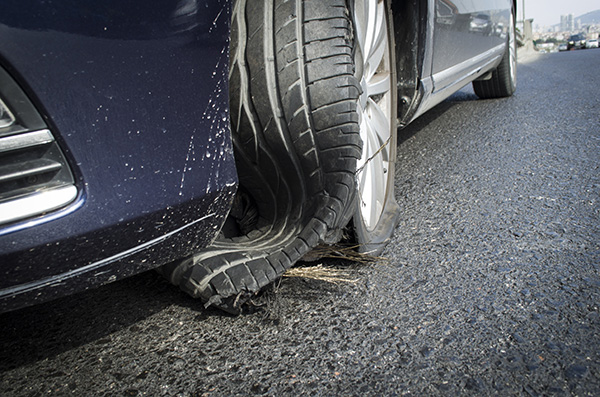
Tires take hits that most drivers never see coming. Nails, broken glass, rough construction zones, and pothole edges can take a perfectly good tire out in one drive. The frustrating part is the timing, because tire trouble loves to show up when you’re late, it’s raining, or you’ve got a full car. A tire protection plan is basically a buffer against those surprise costs. It also nudges people to handle small tire issues sooner, which is usually the difference between a quick repair and a ruined tire. 1. Road Hazard Coverage When Life HappensMost plans are built for the real-world stuff that damages tires: punctures, certain impact damage, and road debris. Even careful drivers pick up screws, and potholes can slice a sidewall before you even realize you hit one. When a tire is repairable, coverage often takes care of it and gets you back on the road without a painful bill. The bigger value i ... read more
Posted on 1/30/2026
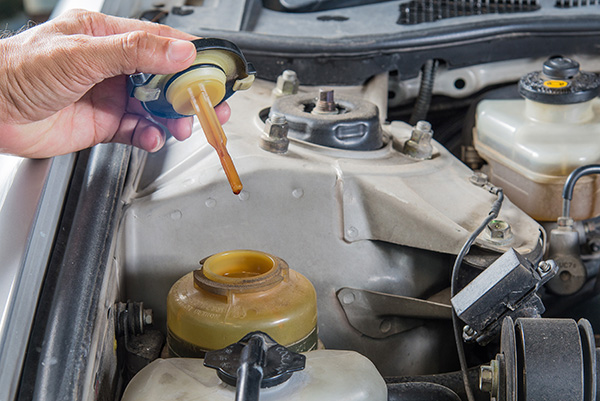
Seeing a fresh spot under the front of your car can ruin your whole morning. You might not even notice anything wrong while driving at first, which makes it more confusing. Then the steering starts to feel heavier in parking lots, or you hear a faint whine when turning, and suddenly that little spot feels like a bigger deal. Power steering leaks are common, and most of them come from a few predictable places. The key is identifying where the fluid is coming from and fixing it before the system runs low and starts damaging parts that cost a lot more than the fluid itself. Where Do Power Steering Fluid Leaks Show Up Power steering components live up front, near the engine and front suspension. The pump, hoses, and steering rack are all in the area where leaks can drip straight down. Airflow while driving can also push fluid back along the underside ... read more